Health projects in food and pharmaceutical sectors near completion
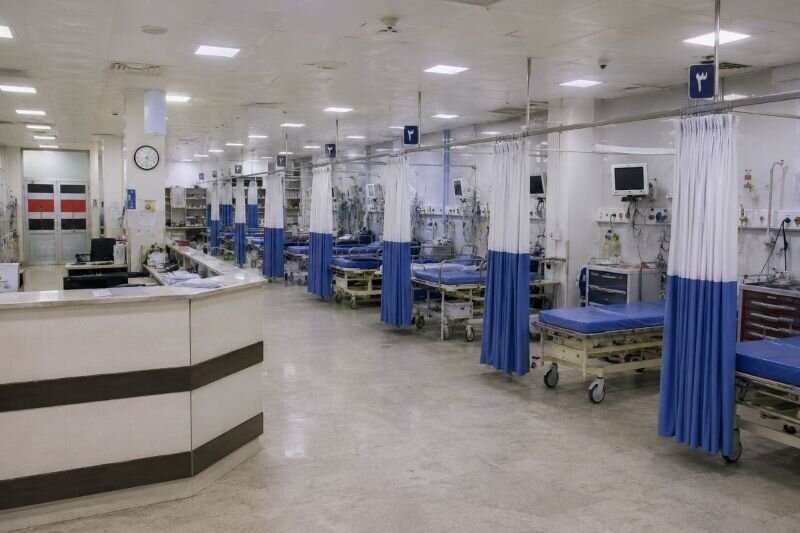
TEHRAN - Thirteen health development projects in the food and pharmaceutical sectors at medical sciences universities are nearing completion, with priority given to projects that have reached more than 70 percent physical progress.
Abbas Mahdizadeh, an official at the Food and Drug Administration, said eight projects have been completed and brought into operation this year, with plans to complete around 30 additional buildings and warehouses in the food and pharmaceutical sectors by the end of 2027.
He added that expanding and upgrading pharmaceutical warehouses and laboratories remain among the key priorities in funding allocations. Given the vital role of pharmaceutical reserves and infrastructure in times of crisis, he stressed that the projects must be carried out in compliance with the required technical and safety standards.
In June 2024, Abdolazim Behfar, an FDA official, outlined the agency’s legal measures to ensure food safety, emphasizing that food production facilities, as well as imported shipments containing raw materials and finished products, are subject to strict monitoring. He made the remarks on the occasion of World Food Safety Day, which is annually celebrated on June 7.
The Day aims to draw attention and inspire action to help prevent, detect, and manage foodborne risks, contributing to food security, human health, economic prosperity, agriculture, market access, tourism, and sustainable development.
The official added that during the Iranian calendar year 1402 (March 2023–March 2024), a total of 4,884 complaints concerning food products were investigated. During the same period, approximately 5,100 non-compliant food production and distribution units were identified and referred to judicial authorities.
Based on Iran FDA supervision, 266 unauthorized production units were identified, and more than 170,000 items of contraband were discovered, Behfar stated.
“Additionally, 148,000 illegal and counterfeit products were discovered, and about 3.8 million kilograms of food and beverage shipments that did not comply with regulations were destroyed over the past year,” he further noted.
The universities of medical sciences across the country are the executive arms of Iran FDA, which inspects major distribution centers of health-oriented products, Behfar said.
Food safety is a collective responsibility – everyone from producers to consumers needs to play their part.
However, there are exceptional situations where even if we have all played our part, the unexpected intervenes and food safety is compromised.
Even then, there is always something we can do to avoid illness.
Food safety incidents can range from minor events to major international crises, whether it is a power outage at home, a food poisoning at a local restaurant, a voluntary recall of contaminated products by a manufacturer, an outbreak from imported products, or a natural disaster.
Food safety hazards do not recognize borders, so in an increasingly interconnected global food supply, risks posed by unsafe food can rapidly evolve from a local problem to an international emergency.
This year’s theme, ‘Food safety: prepare for the unexpected’, underlines the importance of being prepared for food safety incidents, no matter how mild or severe they can be.
Food safety incidents are situations where there is a potential or confirmed health risk associated with food consumption. A food incident can happen, for example, due to accidents, inadequate controls, food fraud, or natural events.
While being ready to manage food safety incidents requires dedicated efforts from policymakers, food safety authorities, farmers, and food business operators, consumers can also play an active role.
Food safety has a critical role in assuring that food stays safe at every stage of the food chain - from production to harvest, processing, storage, distribution, all the way to preparation and consumption.
With an estimated 600 million cases of foodborne illnesses annually, unsafe food is a threat to human health and economies, disproportionally affecting vulnerable and marginalized people, especially women and children, populations affected by conflict, and migrants.
An estimated 420,000 people around the world die every year after eating contaminated food, and children under 5 years of age carry 40 percent of the foodborne disease burden, with 125,000 deaths every year.
Leave a Comment